Aromastra

The Art of Traditional Mango Pickle Making

The Art of Traditional Mango Pickle Making

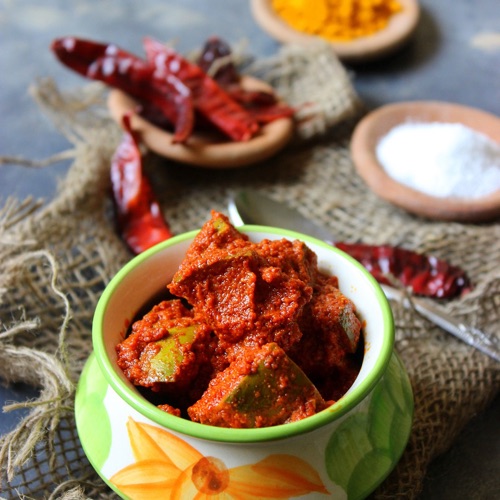
Mango pickle is more than just a condiment—it is a timeless tradition passed down through generations. Its rich aroma, bold flavor, and authentic preparation reflect the heart of Indian kitchens. The art of traditional mango pickle making combines patience, natural ingredients, and age-old techniques to create a taste that is unforgettable.
For pickle lovers, every jar tells a story of heritage, care, and craftsmanship.
The Tradition Behind Mango Pickle
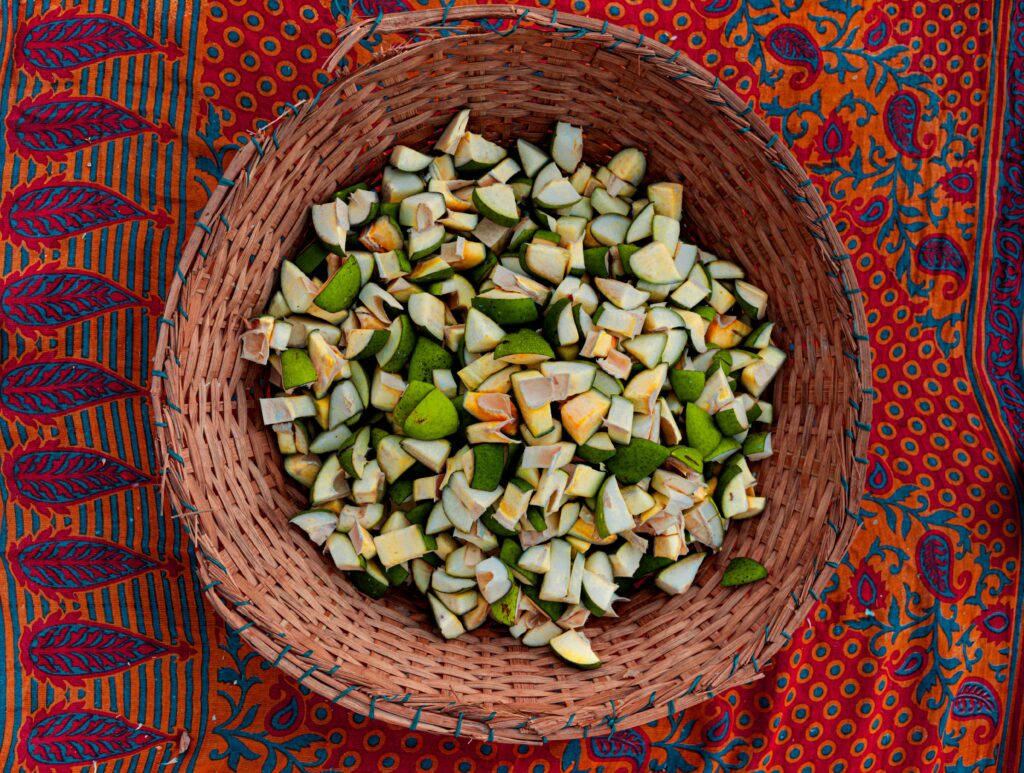
Traditional mango pickle making is deeply rooted in culture. For decades, families have prepared pickles during mango season, carefully selecting raw mangoes and preserving them to enjoy throughout the year

Key qualities to look for:

  1. Firm and unripe
  2. mangos
  3. Bright green skin
  4. Sour and tangy flavor
  5. No soft spots or damage
  6. These mangoes ensure the pickle develops the perfect balance of tanginess and spice.
  7. The Role of Natural Ingredients
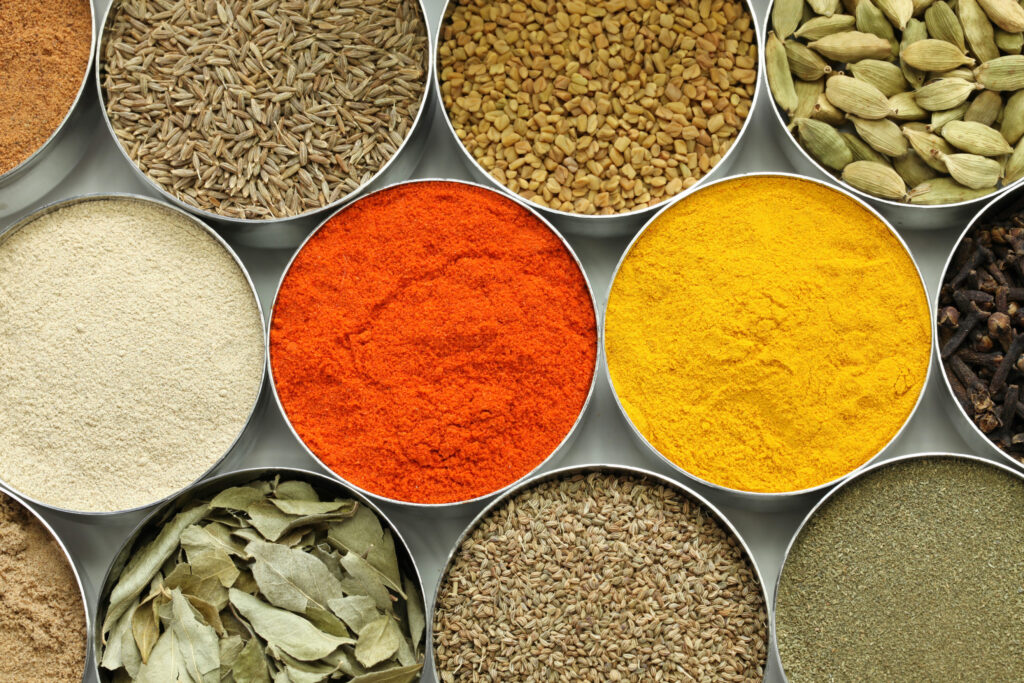
  8. Traditional mango pickle uses simple, natural ingredients that work together to create bold flavor and preserve the pickle naturally.

Common ingredients include:

  1. Mustard seeds
  2. Fenugreek seeds
  3. Red chili powder
  4. Turmeric powder
  5. Rock salt
  6. Mustard oil
  7. Each ingredient plays an important role. Mustard adds pungency, fenugreek adds depth, turmeric adds color and protection, and mustard oil acts as a natural preservative.

The Traditional Preparation Process

1. Cleaning and Cutting

Fresh mangoes are washed, dried completely, and cut into uniform pieces. Removing moisture is essential to prevent spoilage.

2. Sun-Drying

The mango pieces are sun-dried for a few hours or days. This removes excess moisture and enhances the pickle’s shelf life.

3. Mixing the Spices

The mango pieces are mixed with carefully measured spices. This step requires experience to balance flavors perfectly.

4. Adding Oil

Mustard oil is heated, cooled, and poured over the mango and spice mixture. The oil seals freshness and preserves the pickle naturally.

5. Natural Maturation

The pickle is stored in airtight containers and allowed to mature. Over time, the mango absorbs the spices, creating deep, rich flavor.
Patience is the key. The longer it matures, the better it tastes.
The Importance of Sunlight
Sunlight plays a vital role in traditional pickle making. It helps the ingredients blend naturally and improves preservation. Sun exposure also enhances flavor, giving pickle its authentic and bold taste.
This natural process ensures the pickle remains fresh for months.
Why Traditional Methods Matter
Traditional mango pickle making avoids artificial preservatives, colors, and chemicals. Instead, it relies on natural preservation using salt, oil, and spices.


When prepared traditionally, mango pickle offers several benefits:

  1. Improves digestion Enhances appetite Contains natural antioxidantsProvides essential nutrients from spices In moderate quantities, it adds both taste and health value to meals.
  2. A Taste of Heritage in Every Bite Traditional mango pickle is not just food—it is an experience. It connects us to our roots, memories, and cultural heritage. Every jar represents dedication, patience, and love.
  3. For pickle businesses like yours, preserving these traditional methods ensures customers experience true authenticity.Our Commitment to Authentic Pickle Making At our pickle business, we follow traditional techniques to maintain original taste and quality. We use carefully selected raw mangoes, premium spices, and natural preparation methods to deliver rich and flavorful pickles.
    We believe in preserving tradition while delivering excellence in every jar.

Conclusion:

The art of traditional mango pickle making is a beautiful blend of culture, patience, and craftsmanship. It transforms simple ingredients into a flavorful treasure enjoyed by generations.By honoring traditional methods, we ensure every bite delivers authentic taste, rich aroma, and timeless satisfaction.

FAQs

1. What makes traditional mango pickle different from modern pickles?

Traditional mango pickle is made using age-old methods like sun-drying, natural fermentation, and hand-blended spices. It does not use artificial preservatives, which gives it authentic taste, aroma, and health benefits.

2. Which type of mango is best for traditional pickle making?

Raw, firm, and sour mangoes are ideal. Varieties that are fibrous and less juicy work best because they absorb spices well and remain crunchy.

3. Why is sun-drying important in traditional pickle making?

Sun-drying removes excess moisture from mango pieces, which prevents spoilage and helps natural preservation. It also enhances flavor and improves shelf life.

4. How long does traditional mango pickle take to prepare?

Yes. Fermented foods strengthen the immune system by promoting healthy gut bacteria, which play an important role in protecting the body from infections.

5. How long does traditional mango pickle take to prepare?

Yes. Fermented foods strengthen the immune system by promoting healthy gut bacteria, which play an important role in protecting the body from infections.